Quantifying wildfire mitigation activities done by residents: Assessing hazards and understanding resident behavior
Structural losses from wildfires are increasing in California, the United States, and globally. Research shows that fuel (e.g., flammable materials ranging from natural vegetation to synthetic building materials) in, on, or within 100 feet of structures contributes to structure loss or damage from wildfire; this focal area is often called the Home Ignition Zone (HIZ). Residents within the wildfire urban interface (WUI) often want to mitigate wildfire hazards, but often fall short of the complete risk reduction outlined by state or professional entities.

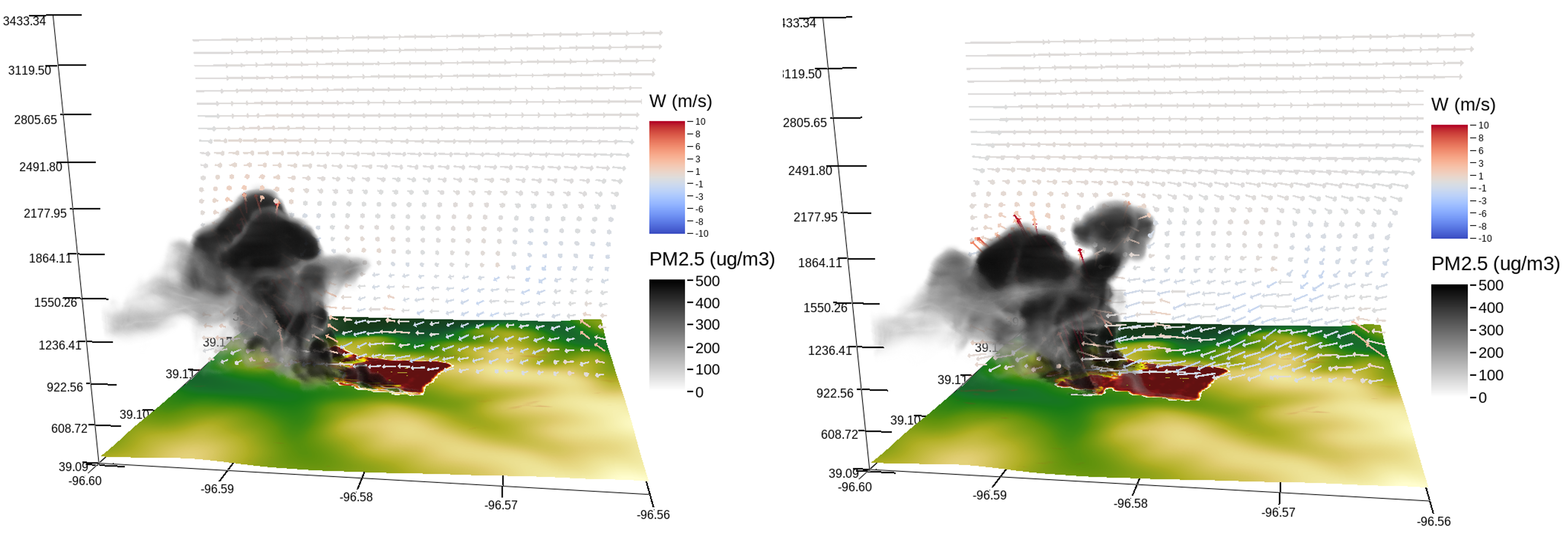
FireBench
The increasing frequency and size of large catastrophic wildfires have driven investment in and advancements in wildfire modeling. The result is that today, academics and industry have developed many complex, varied models to help government agencies, companies, and landowners predict wildfire hazards and plan to mitigate them. Currently, there is no framework that allows for model validation against multiple sources of observation, accounts for uncertainty, and is scientifically rigorous. FireBench proposes a model-agnostic validation and intercomparison framework that can be integrated with various data sources and customized to suit both model type and end-user needs.
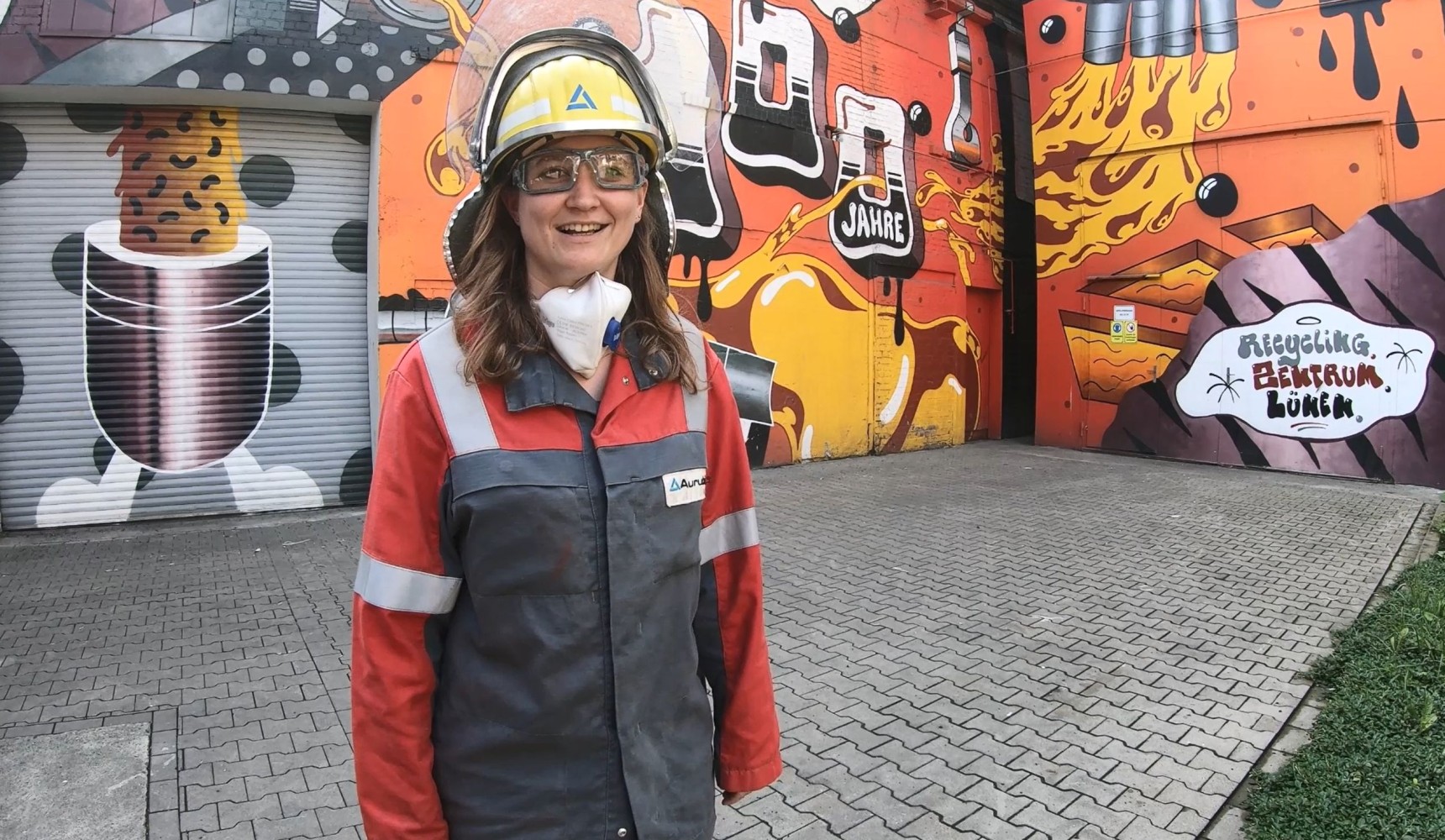
Pure Metal Production Dramatically Improved with Pulsed Laser System
A method to improve metal production has just been developed by researchers funded by the National Science Foundation's (NSF) Industry-University Cooperative Research Center (IUCRC) – Center for Resource Recovery & Recycling (CR3) – at the Worcester Polytechnic Institute and the Colorado School of Mines with an international site at KU Leuven, Belgium.
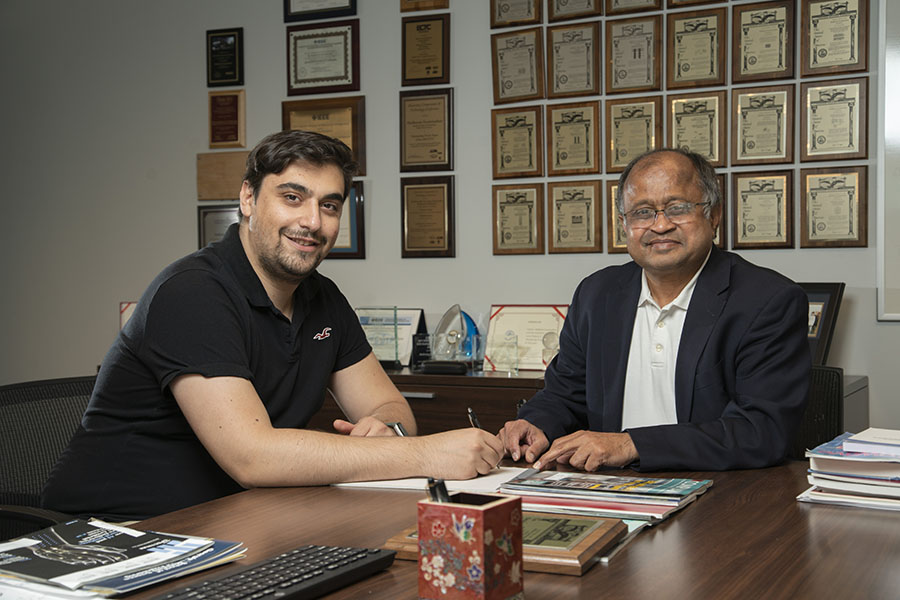
Bayesian Learning Applied to Semiconductor Packaging
Electronics have permeated nearly every part of our lives from medicine to entertainment to the way we work. As the uses of electronics increases, so does the need for highly specialized electronic components. Now, a new method for optimizing electronics has been developed that will dramatically cut the time it takes to get new components and systems to market.
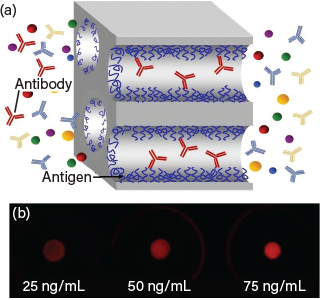
Catalyzing Commercialization: Rapid, Point-of-Use Technology to Measure Antibodies
Electronics have permeated nearly every part of our lives from medicine to entertainment to the way we work. As the uses of electronics increases, so does the need for highly specialized electronic components. Now, a new method for optimizing electronics has been developed that will dramatically cut the time it takes to get new components and systems to market.