
New Technology for Isolating Single Cells Opens the Door for Fast and Precise Experiments and Treatments
Credit: luchschenF/Shutterstock. Singling out a diseased or mutated cell and identifying which treatment option is most effective can be cumbersome, expensive, and time-consuming.
Learn More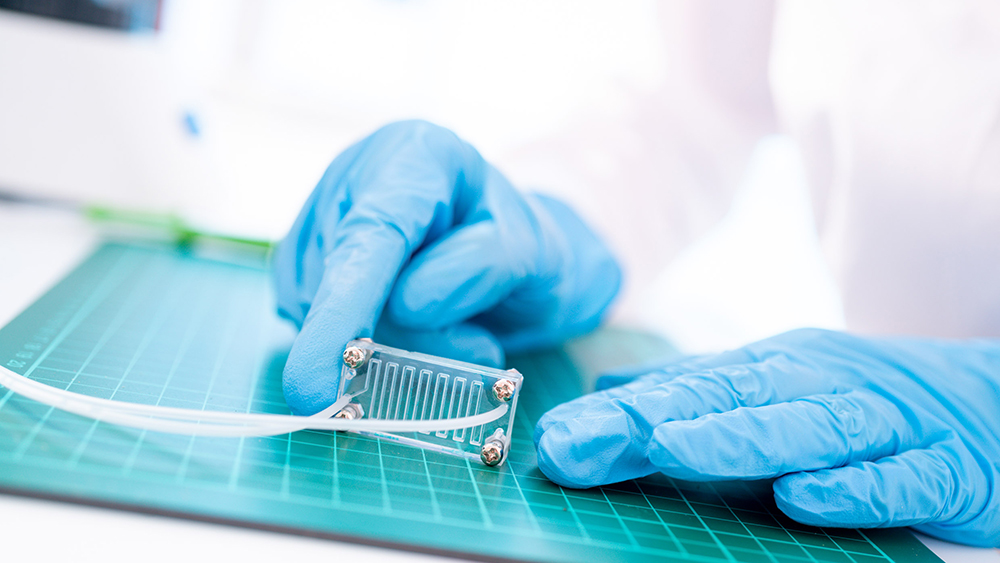
Test Helps ‘Rubber Meet the Road’ in Wet Driving Conditions
Credit: Siamak Farhad, Mechanical Engnieering Department, University of AkronMore than 300,000 people are injured and about 4,000 die each year in car crashes that occur on roads with wet pavement, according to the U.S. Department of Transportation.
Learn More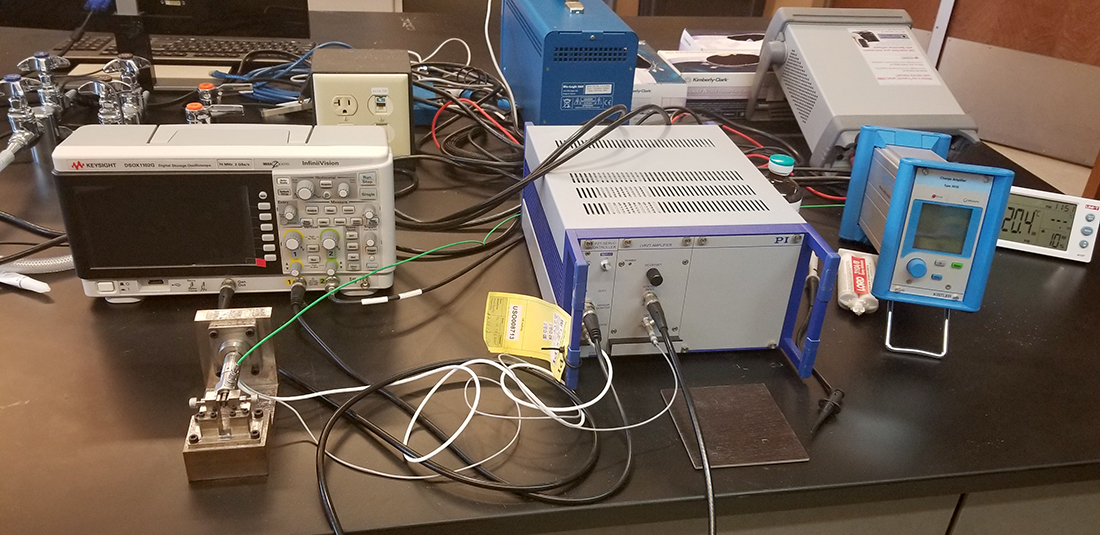
New Big Data Method Could Revolutionize Personalized Medical Treatments from Cancer to Depression
Credit: metamorworks/Shutterstock. By leveraging big datasets and artificial intelligence, researchers are learning how to create more personalized medical treatments that could result in better patient outcomes and significant economic impacts.
Learn More
A.I. Helps Shift Touch ID to Touchless
Credit: Jeremy Dawson, West Virginia University. Making a payment can be as easy as hovering a smartphone or a smart credit card over a contactless console. A similar touchless technology is on the horizon for fingerprint identification.
Learn More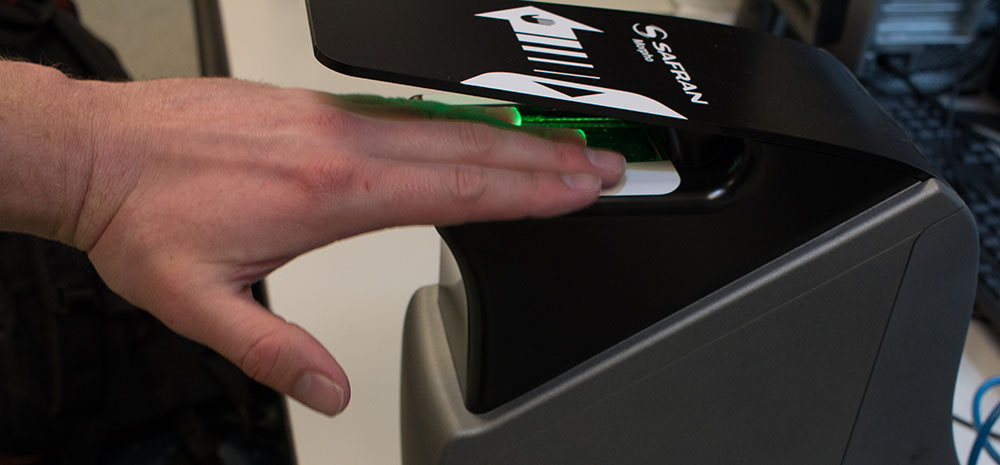
New Technique Provides Faster, Lower-Cost Detection in Surveillance Images
Processing images from surveillance cameras is a time-consuming and costly endeavor. A new technique developed by researchers at the Center for Net-Centric and Cloud Software and Systems (NCSS) with funding from the National Science Foundation’s (NSF) Industry-University Cooperative Research Center (IUCRC) program, has found a more efficient way to process surveillance images. The new technique has the potential to reduce system and processing costs, enabling faster detections.
Learn More